
Building Resilience: The Dual Impact of Somali Engineering on a Fragile Environment

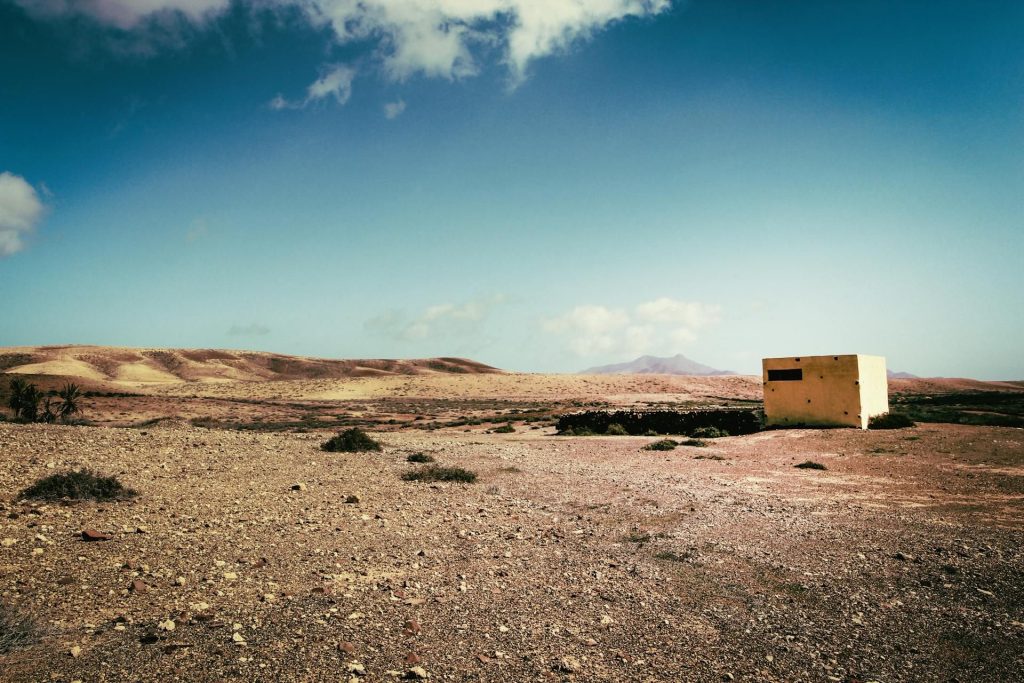
Somalia, a nation characterized by its vast arid landscapes, lengthy coastline, and a climate growing increasingly unpredictable, presents a unique and challenging environment for human habitation. Somali engineering—a blend of indigenous knowledge, pragmatic adaptation, and modern innovation—plays a complex and dual role in this delicate ecosystem. Its impact is a story of both significant strain and remarkable symbiosis, reflecting a constant negotiation between survival and sustainability.
The Strain: Engineering Under Pressure
Much of Somalia’s engineering is not the product of large-scale, state-led projects but of necessity and resilience. This has, at times, come at a cost to the environment.
- Water Resource Challenges: The most critical environmental interface is water management.The widespread use of berkads (cement-lined underground water cisterns) and shallow wells is a testament to Somali ingenuity in harvesting scarce rainwater. However, their intensive use, especially during prolonged droughts, has led to the over-extraction of groundwater. This lowers the water table, increases soil salinity, and degrades land, making it less suitable for agriculture and natural regeneration. Furthermore, the lack of protected sanitation systems can lead to the contamination of these same shallow aquifers, posing serious health risks.
- Charcoal Production and Deforestation: Perhaps the most cited environmental impact is the production of charcoal,Somalia’s primary source of domestic energy and a significant, if controversial, export commodity. The engineering process itself—felling slow-growing acacia trees and burning them in earth-covered pits—is devastating. This practice is a major driver of deforestation and desertification, destroying vital ecosystems, reducing biodiversity, and stripping the land of its ability to retain water and soil. The loss of tree cover exacerbates soil erosion and contributes to the loss of fertile land, creating a vicious cycle of environmental degradation.
- Urbanization and Waste Management: Rapid urbanization,especially in cities like Mogadishu, has outpaced the development of formal waste management systems. Engineering solutions for recycling, safe landfill construction, and sewage treatment are limited. This results in plastic pollution, open dumping, and the contamination of land and coastal waters, impacting both terrestrial and marine environments.
The Symbiosis: Indigenous and Adaptive Engineering
Despite these challenges, Somali engineering also offers profound examples of environmentally attuned practices that have evolved over centuries.
- Traditional “Xero” (Drought-Adapted) Living: The nomadic pastoralist lifestyle is,in itself, a sophisticated engineering system for living within ecological limits. The movement of herds prevents overgrazing in any single area, allowing vegetation to recover. The design of the aqal (traditional nomadic hut) is a masterpiece of sustainable engineering: it is made entirely from natural, biodegradable materials (poles, grasses, mats) and is easily dismantled and moved, leaving no permanent footprint on the land.
- Sustainable Water Harvesting and “Dheeg” Management: The ancient practice of managingdheeg (sand dams) in seasonal riverbeds is a brilliant form of natural engineering. By slowing the flow of water in wadis, communities allow water to seep into and be stored within the sand, reducing evaporation losses and recharging groundwater. This technique provides a clean, reliable water source while combating erosion and supporting local vegetation.
- Coastal and Marine Ingenuity: Somali shipbuilding,particularly the crafting of the “sambuq” and other wooden boats, historically relied on local materials and designs suited to the Indian Ocean’s conditions. While modern practices have changed, this heritage points to a time of closer material synergy with the marine environment. Furthermore, community-led beach clean-ups and a growing awareness of marine conservation are emerging as new forms of environmental stewardship.
The Path Forward: Modern Engineering with Traditional Wisdom
The future of Somali engineering’s environmental impact lies in merging time-tested indigenous knowledge with modern sustainable technologies.
· Promoting Solar Energy: Engineering efforts focused on deploying affordable solar power systems can provide a clean alternative to charcoal, reducing deforestation pressure. Solar-powered water pumps for irrigation and drinking are already making a difference in some regions.
· Improving Water Infrastructure: Investing in engineered solutions like deeper, protected boreholes with controlled extraction rates, larger-scale rainwater harvesting systems, and small-scale drip irrigation can enhance water security without depleting resources.
· Sustainable Construction: Incorporating passive cooling design (inspired by traditional architecture) and using modern, locally-sourced sustainable building materials can reduce the environmental footprint of Somalia’s rebuilding cities.
· Formalizing Waste Management: Engineering projects focused on building recycling facilities and sanitary landfill sites are critical for protecting urban and coastal environments.
Conclusion
The impact of Somali engineering on the environment is not a simple narrative of harm. It is a reflection of a society navigating extreme environmental and economic pressures. While practices like charcoal production have undeniably caused damage, the deep well of indigenous knowledge offers a blueprint for sustainability. The greatest potential for a positive future lies in a conscious shift—away from engineering purely for survival and toward engineering for resilient coexistence. By valuing and integrating its traditional ecological wisdom with new technologies, Somali engineering can evolve to not just withstand the environment but to actively heal and protect it.